
Leading Products For Drainage Service Maintenance and Repairs
Identify top-rated tools and systems that facilitate quick repairs and ongoing drainage system upkeep.
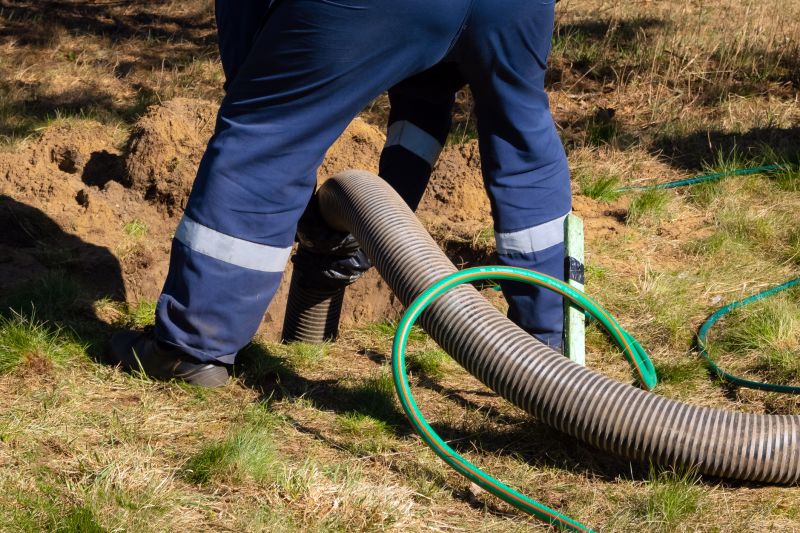 Effective drainage is essential for maintaining the integrity and safety of properties in Kirkland, WA. Proper drainage solutions help prevent water accumulation, soil erosion, and potential damage to foundations and landscaping. Whether addressing minor drainage issues or planning comprehensive systems, selecting the right products is crucial for long-term performance. Drainage products come in various forms, including pipes, grates, catch basins, and pumps, each designed to serve specific functions and site conditions. Understanding the different options available can assist homeowners and professionals in making informed decisions tailored to their unique needs.
Top Overall Option
Flexible Corrugated Drainage Pipe
A versatile and adaptable drainage pipe made from durable plastic materials, suitable for various applications including yard drainage, French drains, and foundation drainage. Its flexibility allows for easier installation around obstacles and contours, making it a popular choice for both DIY projects and professional installations. The corrugated design enhances strength and resistance to crushing, ensuring long-term performance in different soil and weather conditions.
Types of Products For Drainage Service
PVC Drainage Pipes
Rigid pipes made from polyvinyl chloride, commonly used for underground drainage and sewer systems due to their durability and chemical resistance.
Corrugated Plastic Pipes
Flexible pipes with a corrugated exterior, ideal for yard drainage, French drains, and other flexible applications.
Catch Basins
In-ground units designed to collect surface water and direct it into drainage pipes, preventing pooling and erosion.
Drain Grates
Protective covers that allow water to enter drainage systems while preventing debris from clogging pipes.
Sump Pumps
Devices used to remove accumulated water from basements or low-lying areas, especially during heavy rainfall.
French Drain Kits
Complete systems that include perforated pipes, gravel, and fabric to facilitate subsurface water drainage.
Perforated Drain Tiles
Drainage pipes with small holes that allow water to enter, commonly used in foundation drainage and landscape grading.
Erosion Control Matting
Protective mats that stabilize soil and prevent erosion around drainage areas.
Surface Drainage Channels
Channels designed to direct surface runoff away from structures and walkways.
Subsurface Drainage Systems
Underground networks of pipes and gravel designed to manage water infiltration and prevent water accumulation.
Waterproof Membranes
Protective barriers used around foundations and underground structures to prevent water intrusion.
Drainage Basin Accessories
Additional components like adapters, connectors, and filters to customize drainage setups.
Stormwater Management Systems
Comprehensive solutions designed to handle large volumes of runoff, including retention basins and detention ponds.
Flexible Channel Drainage Systems
Modular systems that can be installed along walkways, driveways, or patios to manage surface water.
Rainwater Harvesting Components
Products like rain barrels and diverters that help capture and utilize runoff effectively.
Popular Choices
Widely used for yard drainage projects, appreciated for its adaptability and ease of installation.
Commonly installed in driveways and low-lying areas to prevent surface water pooling.
Popular for managing groundwater around foundations and landscaping.
Frequently selected for basement waterproofing and managing localized water accumulation.
Chosen for their effectiveness in subsurface drainage applications.
Often installed along walkways and driveways to facilitate surface water runoff.
Increasingly used in urban areas to control runoff and prevent flooding.
Popular for directing water away from patios, pools, and walkways.
Commonly used to protect below-grade structures from water intrusion.
Selected for stabilizing slopes and disturbed soil around drainage areas.
Favored for their customizable configurations in landscape projects.
Popular for collecting runoff for reuse in irrigation and other applications.
Drainage systems often require components that are durable and easy to install. Materials such as PVC, corrugated plastic, and cast iron are common choices, each offering different benefits in terms of strength, flexibility, and cost. Proper planning involves assessing the landscape, identifying problem areas, and selecting products that facilitate efficient water flow away from structures and high-traffic zones. Regular maintenance and inspection of drainage components are also vital to ensure continued effectiveness, especially in regions like Kirkland where heavy rainfall can pose challenges.
In addition to traditional drainage pipes and catch basins, innovative solutions like modular drainage systems and permeable pavers are gaining popularity. These options can improve water management while maintaining aesthetic appeal. Consulting with local experts or suppliers can provide insights into the most suitable products for specific site conditions, ensuring that drainage systems perform reliably over time. Investing in quality drainage products ultimately helps protect property value and reduces the risk of water-related issues, making it a wise consideration for homeowners and contractors alike in Kirkland, WA.
Key Buying Considerations
- Assess the specific drainage needs of your property, including surface runoff, subsurface water, and potential flooding areas.
- Choose materials that are compatible with your soil type and climate conditions to ensure durability.
- Consider the size and capacity of the drainage components to handle expected water flow volumes.
- Evaluate ease of installation, especially if planning a DIY project, and whether professional assistance is needed.
- Check for compatibility between different drainage system parts, such as pipes, connectors, and grates.
- Prioritize products with appropriate certifications or standards for safety and performance.
- Account for maintenance requirements and accessibility for inspections or cleaning.
- Think about aesthetic integration if the drainage system will be visible in landscaped areas.
- Determine the longevity and resistance to corrosion or degradation over time.
- Review local building codes and regulations to ensure compliance with drainage standards.
- Assess the potential for future expansion or upgrades to your drainage system.
- Consider cost-effectiveness in relation to the quality and lifespan of the products.
- Evaluate the availability of replacement parts or accessories for ongoing maintenance.
- Look into warranties or guarantees offered by suppliers to protect your investment.
- Plan for proper outlet locations to ensure water is directed safely away from structures and walkways.